Why ChatGPT feels frustrating for Creatives
... and how custom GPTs change everything
If you're a creative and you've tried ChatGPT before, chances are you've had one of these thoughts:
"This sounds so generic."
"Why doesn't it get my style?"
"Everyone says AI is amazing, but this feels kind of useless."
If that's you, I want to start with this:
You're not bad at AI.
AI just wasn't built with creatives in mind.
Let me explain.
The problem isn't you, it's the tool
Most AI tools, including ChatGPT, were originally designed for people who love structure, logic and linear thinking.
Creative people work differently.
We think in:
images
moods
vibes
intuition
half-formed ideas
visual references
ChatGPT, on the other hand, works with text and probability.
It doesn't automatically understand aesthetics, style or creative nuances.
So, when you open a blank chat and type something like
"Help me come up with pattern ideas"
you'll often get answers that feel flat.
That's not because AI can't be creative. It's because it's missing context.
Why ChatGPT sounds so generic
By default, ChatGPT doesn't know:
who you are
what kind of creative work you do
your aesthetic preferences
your experience level
your industry
your goals
So, it gives neutral, broadly applicable answers that won't offend anyone, but also won't inspire you.
Think of it like asking strangers on the street to help you design a collection. They might try, but they don't know your world.
The missing ingredient: direction
Here's the key insight most creatives never hear:
AI becomes creative when you give it direction.
Without direction, it stays generic.
With direction, it becomes surprisingly helpful.
This is where custom GPTs come in.
What is a custom GPT?
A custom GPT is simply ChatGPT with a clear setup.
Instead of starting from scratch every time, you define things like:
who the assistant is
who it's helping
what it should do
how it should speak
what it should avoid
You're not coding. You're designing behaviour.
In other words: You're creating an assistant that understands your creative world.
Why custom GPTs feel so different?
Once a GPT has context, everything changes.
Instead of: "Here are some pattern ideas"
You get: "Here are five cozy, botanical pattern ideas with a soft, feminine aesthetic, perfect for your style"
The answers feel more relevant, more aligned, more usable and more inspiring. And suddenly AI stops feeling frustrating and starts feeling supportive.
Final Thought
AI isn't here to replace creativity.
It's here to support it (when used intentionally).
If ChatGPT has frustrated you in the past, that doesn't mean AI isn't for you. It just means you haven't met the right assistant yet. And that can change.
Curious to learn more about custom GPTs and how to build them? Then my course might be interesting for you:
go to "Build your own creative AI assistant"
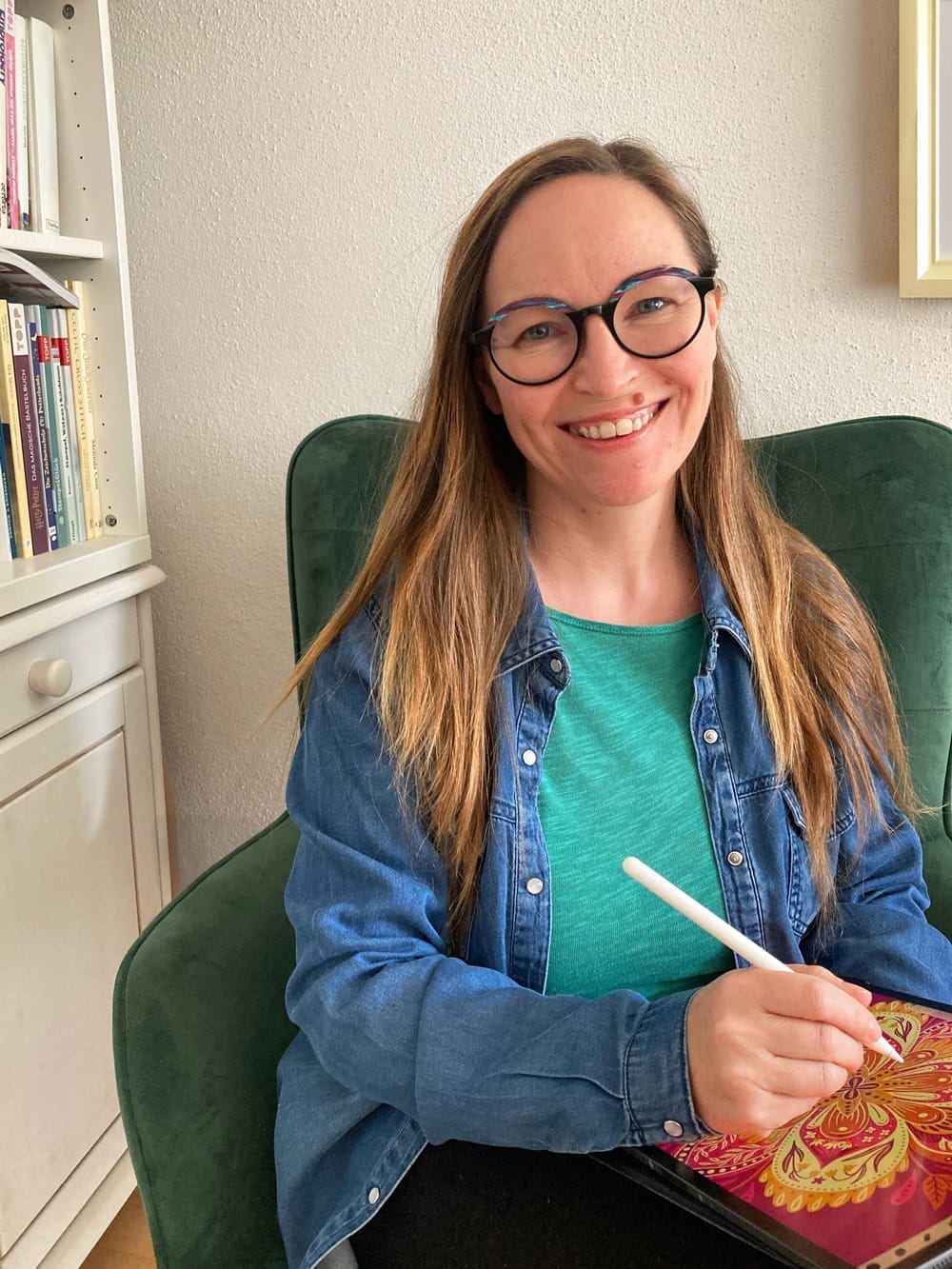
HEY, I’M NICI...
... a surface pattern designer living somewhere between creativity and chaos.
I create gentle tools and thoughts for creatives who love ideas, aesthetics and intuition, but also crave clarity and structure.
Through Museflow, I explore how AI can support creative work in a very human way.
If you enjoy calm workflows, thoughtful systems and creativity without pressure, you're in the right place.


JOIN MY MAILING LIST
Nicole Gabriel
Lorem ipsum dolor sit amet, consectetur adipisicing elit. Autem dolore, alias, numquam enim ab voluptate id quam harum ducimus cupiditate similique quisquam et deserunt, recusandae.
Newsletter
Subscribe to get weekly updates.
Created with © systeme.io | privacy policy | legal notice